
The Iron Swords War led many organizations to reassess and restructure their services. As a result, Nefesh B’Nefesh’s Lone Soldiers Program in partnership with FIDF and IDF, mobilized quickly to address the immediate and pressing needs of Lone Soldiers serving on the frontlines. Lone Soldiers are young men and women who choose to immigrate to Israel and, once they become citizens, are legally obligated to enlist in the IDF. Accordingly, the organization further expanded its existing support for Lone Soldiers both on the front lines and on the home front and initiated additional ways to support them and their families.
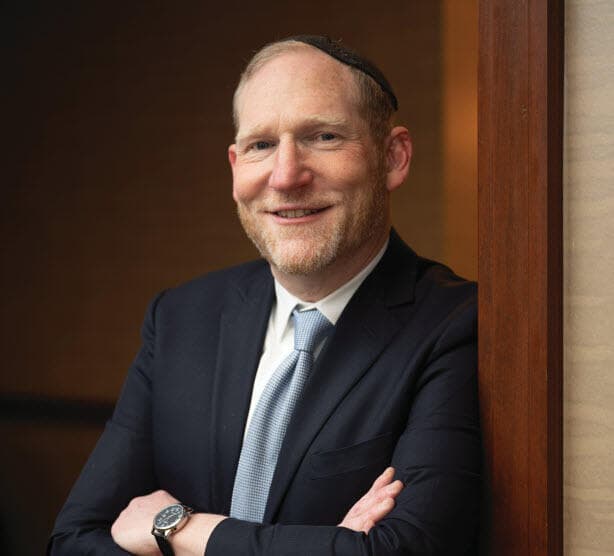
"We did everything in our power to create some light and hope within all of this darkness for the community of Lone Soldiers, which is truly unique in the Israeli landscape", says Rabbi Yehoshua Fass.
Founded in 2002 by Rabbi Fass and businessman Tony Gelbart, Nefesh B’Nefesh has since helped more than 90,000 Jews immigrate from North America, boasting a remarkable 90% retention rate. Working closely with Israel’s Ministry of Aliyah and Integration, the Jewish Agency for Israel, Keren Kayemeth LeIsrael, and Jewish National Fund-USA, the organization has become a strategic partner in addressing national challenges through four core pillars: Aliyah & integration, national service, national development, and Zionist education.
Since the war began, the organization has launched a series of initiatives to provide both practical and emotional support for Lone Soldiers. "Throughout this complex time, our dedicated team, beyond their regular work, proactively reaches out to Lone Soldiers to check in on their well-being. We distributed vouchers for purchasing equipment, and gave emergency grants to Lone Soldiers whose homes were damaged during the 12-day war with Iran", said Rabbi Fass. "We realized early on that beyond immediate needs, we needed to prepare soldiers for the psychological impact of this war", Rabbi Fass notes. "In December 2024, together with FIDF and Sheba Medical Center, we opened a resilience center for Lone Soldier reservists struggling with PTSD, offering free care. At the same time, we created a parallel support network in the U.S. for reservists returning home after their service. We also send teams to hospitals across Israel to meet with wounded soldiers and support them throughout their recovery".
Support also extends to parents living abroad, often watching the events in Israel from afar. To ease their anxiety, Nefesh B’Nefesh established a dedicated parent support team and, together with FIDF and JNF-USA, launched Operation Hug, which flies parents of Lone Soldiers to Israel to reunite with their children. To date, more than 1,000 parents from around the world have participated and hugged their children in Israel.
Originally mandated to focus on Aliyah from North America, Nefesh B’Nefesh broadened its mission in 2012 with the launch of its holistic Lone Soldiers Program. Following a meeting with then-IDF Personnel Director Maj. Gen. Orna Barbivai, the program was expanded to include immigrants from around the world.
Rabbi Fass explained that Nefesh B’Nefesh provides support for individuals in the U.S. and Canada throughout the entire Aliyah process — from the initial stages of exploring the idea to fully settling into their new communities. In contrast, for Olim making Aliyah from other countries who are obligated to serve in the IDF, support generally begins only after their arrival in Israel.
Regarding Lone Soldiers, he added: "We have a team of dedicated advisors proficient in multiple languages, including English, Russian, French, and Spanish, allowing us to effectively address the diverse needs and concerns of these Olim".
Every year, the organization works in cooperation with the IDF’s Lone Soldier Department to run a Yom Sidurim (Bureaucracy Day), where Lone Soldiers can access a wide range of government and broader services in one place: from converting driver’s licenses and issuing passports to receiving municipal discounts, scholarships, and more.

"Uniting parents of lone soldiers through "Operation Hug
(Photo: Courtesy of the family)
Even after completing their army service, Lone Soldiers remain a priority. “We help them transition into civilian life—whether through job placement, professional training, or academic counseling", says Rabbi Fass. “We call this their ‘second Aliyah’, because they now have to reinvent themselves as citizens, building their lives in Israel".
Working so closely with Lone Soldiers from diverse backgrounds has offered valuable insights into cultural differences. “When we first launched the project, we matched each Lone Soldier with a host family. It was interesting to see who embraced the idea of a host family and who didn’t, or how soldiers reacted to receiving financial grants—some welcomed them, others were suspicious", Rabbi Fass recalls. “We even saw differences in how grants were used: some bought equipment or paid rent, while others sent money to their parents abroad".
Despite the hardships of war, Rabbi Fass insists regret is not part of the picture. "Neither the Olim nor their families abroad express regret about Aliyah. Even soldiers wounded in battle feel pride in their choice. They see their service as a contribution to Israel’s future. We view them as heroes, and it is deeply moving to watch 18- and 19-year-olds—sometimes even older—leave their homes and families to defend and build this country".
Nefesh B’Nefesh continues to expand its mission, branching out from Aliyah into security, healthcare, and education.
"The organization is constantly growing, with more and more requests for partnerships from government ministries and other organizations", Rabbi Fass says. “Our ultimate goal is to fulfill the Zionist vision in every possible way. If once, when we began, Aliyah was the end goal, today it is the means by which we secure and strengthen Israel’s future".